wheel-reviews 5 min read
Speedball Artista Review: What a 25-Pound Wheel Means
The Speedball Artista is a tabletop pottery wheel with 25-pound capacity and an 11-inch wheel head for $595. Verified specs, who it serves, and where it stops.
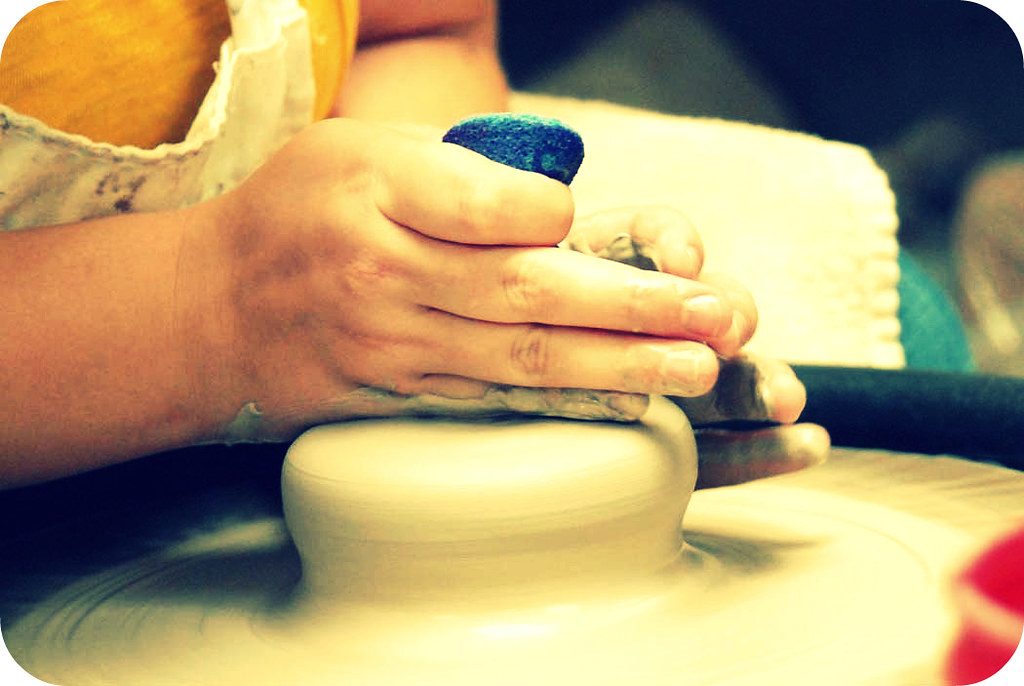
The Speedball Artista is a tabletop pottery wheel with a 1/3 HP motor, an 11-inch wheel head, and a 25-pound clay capacity rating. It costs $595 at Sheffield Pottery (verified June 2026) and runs on a standard 120-volt wall outlet.
The 25-pound figure is the most important number on the spec sheet because it defines what the wheel is and what it is not. Understanding it before you buy saves a lot of frustration.
What “25 pounds” actually means
The 25-pound clay capacity is the total load rating for the motor and bearings. It is not a recommendation for a single throw. In practice:
Most beginners throw pieces from 1 to 5 pounds. A small mug might use 1.5 pounds of clay. A medium bowl might use 3 to 4 pounds. A cylinder for practice might use 2 pounds. At these amounts, the Artista runs without any sense of strain.
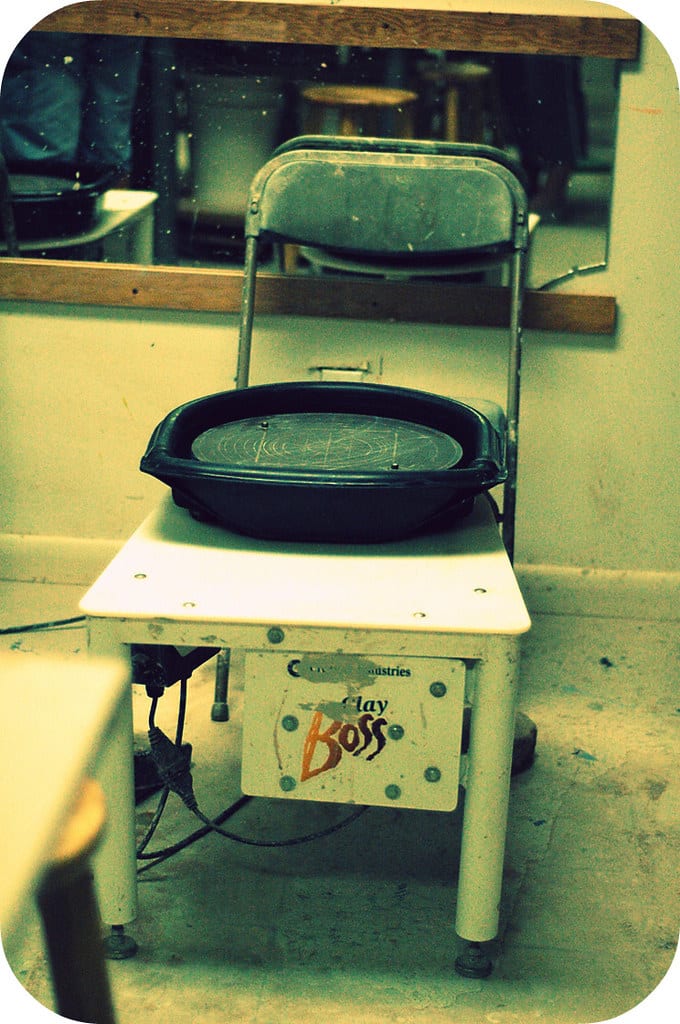
The 25-pound rating becomes a real constraint when you want to center 8, 10, or 12 pounds of clay in a single throw. Potters at that skill level, regularly working with heavier amounts, will feel the Artista laboring. For that work, the Speedball Clay Boss or Shimpo VL-Whisper are the right tools.
Specifications
| Specification | Value |
|---|---|
| Motor | 1/3 HP variable speed |
| Drive type | Belt drive |
| Wheel head diameter | 11” with bat pins |
| Clay capacity | 25 lb |
| Speed range | 0 to 300 RPM |
| Voltage | 120V |
| Weight | ~35 lb |
| Price (Sheffield Pottery, June 2026) | $595 |
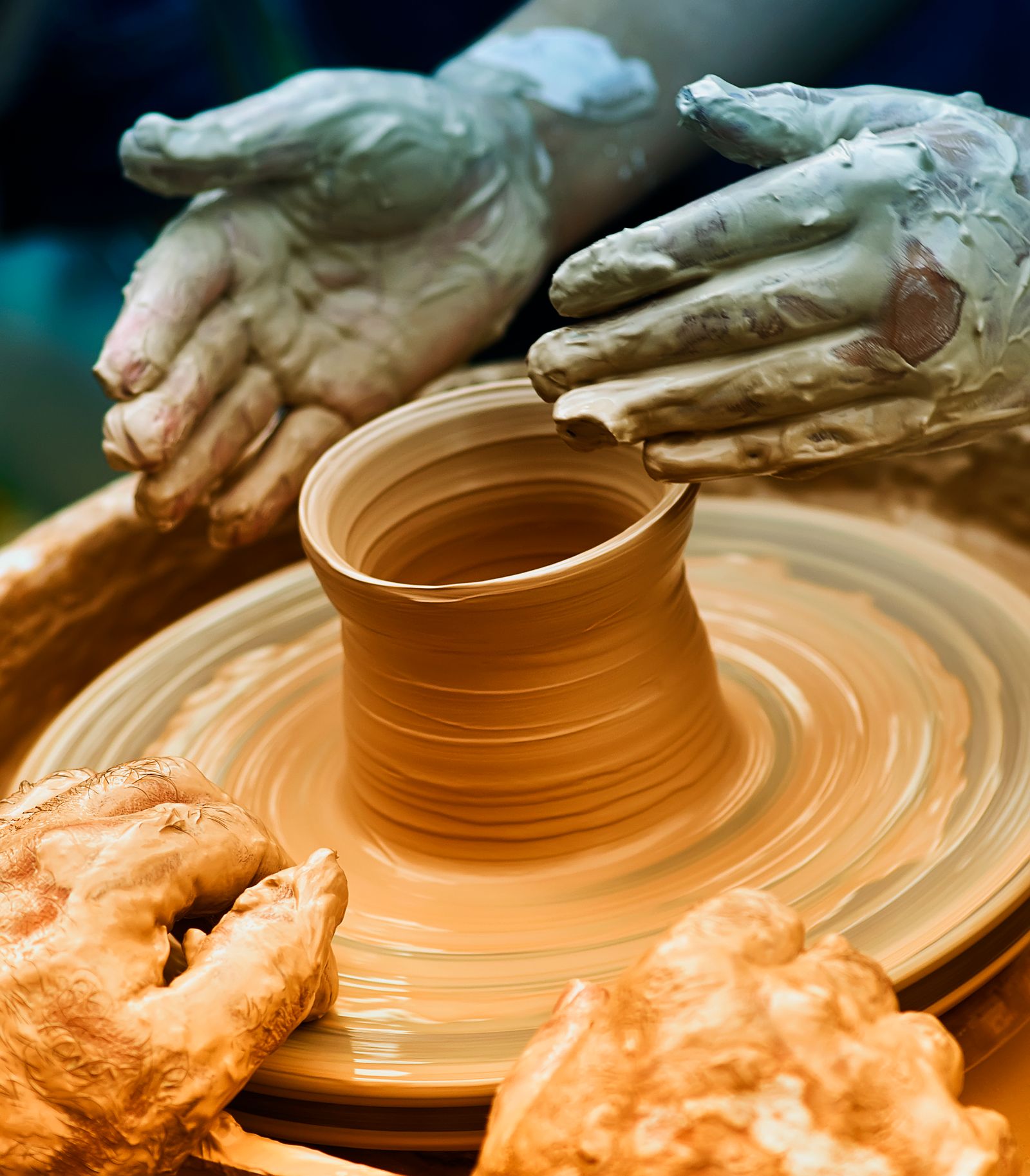
The 11-inch wheel head
The Artista’s 11-inch wheel head is smaller than the 14-inch head on the Clay Boss and VL-Whisper. For a beginner throwing mugs, small bowls, and cylinders up to about 8 inches wide, 11 inches is enough room.
The bat pin holes are drilled at the standard 10-inch bat pin spacing, which is the same as Brent, Speedball’s larger wheels, and most major manufacturers. Standard bats fit without modification.
Where the 11-inch head becomes a real constraint: large plates, wide serving bowls, and any form that needs more than 9 inches of diameter to work on. Flat forms like plates need a wheel head wider than the piece itself to allow for wall spreading. On a full-size 14-inch head, a 10-inch plate is comfortable; on an 11-inch head, it is tight.
Home and classroom use
At 35 pounds, the Artista is light enough for one person to move without assistance. It sits on a table or bench rather than on the floor, which puts the wheel head at a comfortable working height for most people without purchasing a separate stand.
The 120V power requirement means plug-and-throw in any room with a standard outlet. No dedicated circuit, no electrician needed. The motor noise is typical of a 1/3 HP belt-drive wheel: audible in the room, quieter than a full-size belt-drive, not quiet enough to be unobtrusive in a shared bedroom at night.
Classroom settings use the Artista because it is affordable enough to equip multiple student stations, light enough to store and transport easily, and robust enough to handle the moderate use that a teaching studio demands.
How it compares
| Speedball Artista | Speedball Clay Boss | Shimpo VL-Whisper | |
|---|---|---|---|
| Motor | 1/3 HP belt | 1/2 HP belt | 1/2 HP DC brushless |
| Clay capacity | 25 lb | 100 lb | 100 lb |
| Wheel head | 11” bat pin | 14” bat pin | 14” aluminum |
| Weight | ~35 lb | ~82 lb | ~49 lb |
| Voltage | 120V | 120V | 120V |
| Price (approx.) | $595 | $1,039 sale | $1,780 sale |
The Artista costs $444 less than the Clay Boss on sale. That price difference buys a kiln shelf set, a bag of reclaim clay, and glaze supplies for a beginning studio. For a potter genuinely starting out with no prior investment in tools, the Artista’s lower price is meaningful.
The upgrade path is clear: when the 25-pound limit and 11-inch wheel head become genuine constraints, the Clay Boss and Shimpo VL-Whisper are the natural next steps. The skills carry over directly. What changes is mostly physical: handling more clay at once and adjusting to the increased flywheel momentum of a heavier wheel head, not relearning centering or pulling from scratch.
What owners report
Potters who bought the Artista as a first wheel describe the experience consistently: the wheel works well for learning, handles the beginner throwing range without issue, and made the purchase decision easy because $595 felt like a reasonable risk for a hobby they were not yet sure would stick.
The limitation owners describe most often is the motor straining when they tried to center more clay than the wheel was designed for. Some owners describe deliberately limiting throw weight to stay in a comfortable range; others describe graduating to a larger wheel within 12 to 18 months.
No owner reports mechanical failure under normal beginner use. The belt-drive system is straightforward, and replacement belts are available and inexpensive.
Who should buy something else
You already know you want to throw large amounts of clay. If you have thrown on larger wheels and know you regularly center 10 or more pounds, the Artista will frustrate you quickly. The Clay Boss is the right wheel to start with.
You want a wheel that will last without any capacity constraints as you advance. The Clay Boss at $1,039 on sale and the Shimpo VL-Whisper at $1,780 are designed to accommodate the full range of pottery production. If you have the budget and the commitment, starting with a full-size wheel avoids an upgrade purchase later.
You want the quietest option. The Artista’s belt drive is audible. For shared living situations where noise matters, the Shimpo VL-Whisper is the right answer, though at nearly three times the price.
You want to throw plates and serving bowls. The 11-inch wheel head is limiting for wide flat forms. A full-size 14-inch wheel head gives you room for these forms.
Verdict
The Speedball Artista is a well-made beginner and student wheel at $595. The 25-pound clay capacity and 11-inch wheel head cover the learning range. The 120V power requirement eliminates electrical setup as a barrier.
The honest trade-off: if pottery sticks and you develop to the intermediate level within a year or two, you will likely want a full-size wheel. The Artista does not grow with you. Weigh the $444 savings against the potential upgrade cost, and see our pottery wheel buying guide for the full comparison if you are deciding between this and the Clay Boss.